
Village Events Checklist: What to Bring to an Outdoor Patron Saint Feast
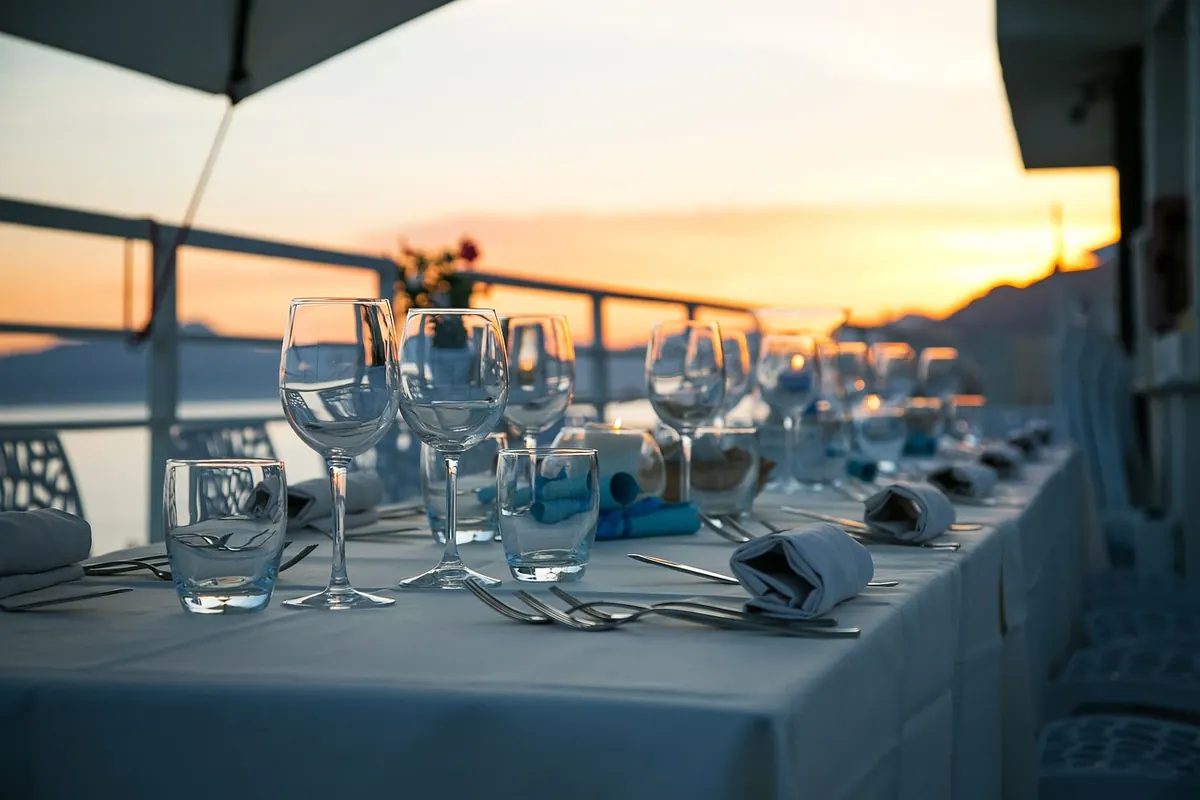
Every village has one day a year when the whole place rearranges itself around a saint. The festa del patrono starts early with a mass and a procession through the old streets, and it ends late, when the band has run out of marches and the fireworks are going up over the roof tiles. In between there are hours — more of them than most visitors expect. The difference between a lovely day and a very long one is rarely luck. It is usually a modest bag, packed the night before, containing the six or seven things nobody thinks about until they need them.
Read the day before you pack
The programme matters more than the weather forecast. In most villages it appears a week or two beforehand on the parish noticeboard, in the bar, and on photocopied sheets taped inside shop windows; take a photograph of it while you can still read it. What you are looking for is not the list of events but the shape of the day: when the procession leaves, whether there is a gap between the mass and the meal, and at what hour the evening entertainment begins.
Two practical details shape everything you carry. First, the walking. Processions wind through streets too narrow for cars, and the fireworks are often set off in a field on the edge of the village, which means a walk in the dark on the way back. Second, the parking. Many squares close to traffic for the evening, so you may be leaving the car ten minutes away on a road with no pavement. Pack as though you will be on foot from late afternoon onwards, because you probably will be.
Seating: assume stone
Church steps, the low wall around the war memorial, the rim of the fountain: these are the seats a village offers, and after the third hour they are unforgiving. If you are eating at the trestle tables there will usually be chairs, but the procession route is standing and the concert in the piazza is standing too, unless you arrive early enough to claim a step.
A light folding chair that straps over one shoulder is the best investment for anyone who intends to stay past the meal. For those who prefer to travel lighter, a folded blanket in a canvas bag does most of the work — it softens a stone ledge for an hour and keeps knees warm after dark. Add a thin cushion if you have an older relative in the party; church pews are hard and the patron saint mass is rarely short. Arrive twenty or thirty minutes before the procession if you want a view of the corner where the band turns. That is where the photographs are.
Cash, coins and the small-notes rule
Feast-day economics are simple: the stalls want cash. Porchetta carved onto paper, fried dough, a glass of local wine, the lucky dip, the raffle tickets, the children's ride — none of it is guaranteed to accept a card, and in a piazza packed with people the mobile signal can be useless anyway.
So carry small notes. A handful of fives and tens will see you through the evening far better than a fifty, which no one enjoys breaking at a busy stall. Keep coins separate for the collection, the tombola and the small requests that come with village life. Split the money between two pockets or two bags rather than keeping it all in one place, and find out where the nearest cash machine is before you need it — in a small village there may only be one, and it has a habit of running dry on the busiest night of the year.
Carry what you plan to spend, plus a little more, and leave the rest at home.
Water, food and the leftover problem
Fried food, salt and a warm evening make for thirst, and the queue at the drinks stand is longest exactly when you want it least. Bring a refillable bottle and fill it before you leave the house. Village fountains are usually drinking water; if a tap is marked non potabile, believe it. Buying a bottle early, before the rush, costs little and saves a lot of standing in line.
Pack napkins or a small packet of tissues, and a few wet wipes. Most feast food is eaten with the fingers, and the nearest sink may be your own kitchen three hours away. If you are buying a portion too large to finish — generous servings are part of the point — a small lidded container in your bag turns the leftovers into tomorrow's lunch instead of a bin. One more thing worth saying: if you are walking in the procession, eat something beforehand. The meal may not begin until ten.
Three weathers in one day
A day that starts in bright sun can end with dew on the grass and a chill coming off the fields. Pack for three weathers, not one. A hat, sunglasses and sunscreen for the standing hours in an open square. A light sweater or a scarf for after the sun drops. A thin waterproof jacket that folds into its own pocket, because a summer storm in a village of narrow streets gives you nowhere to shelter but a doorway. A plastic sheet or sit mat for the fireworks field, where the grass is wet by ten o'clock.
Shoes deserve their own paragraph. Cobblestones, gravel, uneven steps and a rutted field are the whole of the terrain. Wear something flat, closed and already broken in. New sandals and a four-hour feast are a poor combination; the people who end the evening barefoot are always the ones who dressed for the photograph rather than the ground.
The small kit that saves the evening
A few items are small enough to forget and annoying enough to miss.
- A torch, or a phone torch you have actually tested. Village lanes go dark when the lights are switched off, and the field where you parked will not be lit at all.
- A power bank. Between photographs, messages and finding the rest of your group, a phone battery rarely survives a full feast day.
- Plasters, for the shoe and the small child in equal measure. Tissues and insect repellent, if the evening continues near grass or water.
- Ear protection for young children at the fireworks. The bangs are louder than adults remember, and a pair of foam earplugs costs almost nothing.
- A pen. Tombola cards and raffle tickets still get filled in by hand.
Travelling with children
A pushchair is a liability on cobbles; a carrier is not. Write a phone number on a card and put it in a child's pocket, agree a meeting point in the piazza before you split up, and pack a snack that does not need a plate. The procession is long and slow, and small legs tire before the saint has reached the second corner.
With older relatives
A folding chair with a back, a cushion, water within reach and a realistic plan for the walk back will do more for the day than any other item on this list. If someone in your group takes regular medication, bring the day's dose and keep it on your person. For anyone whose medication affects hydration or sensitivity to sun, it is worth asking a pharmacist or doctor in advance how best to manage
Photo: JoelFazhari / Pixabay